random dummy blog
- Home
- Blog
our blogs
Our Resources section provides valuable insights and advice on maintaining good oral health. We also offer objective comparisons and articles that have been reviewed by medical professionals, ensuring accuracy when discussing clinical topics and information.
Have a look around this bold and colourful 1930s semi in London
No ads available for your location...
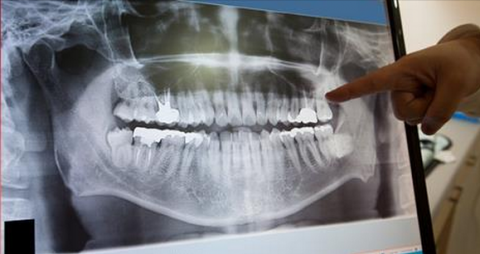
Dental X-Rays Are Safe
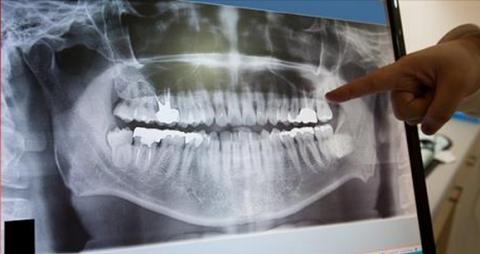
One of the most common things done at a routine dental visit is having x-rays. It’s those x-rays that allow the dentist to take a closer look at the overall health of your teeth to detect damage and disease affecting the roots and bones of your mouth, and to look for any possible cavities – things that aren’t visible during a routine visual exam. Sounds good, right? But then we cover you in a heavy vest and ask pregnant women to forgo x-rays which prompts lots of questions from our patients about dental x-ray safety. So, let’s talk about it!
The worrisome part about dental x-rays is the exposure to radiation. Radiation is a scary term, but the reality is that we are exposed to radiation in our everyday lives, not just during x-rays. Radiation is measured in units called rems. The doses in the medical world are so small, they are measured in millirems, or “mrem” which is just one thousandth of a rem. Below are some examples of amounts of radiation we’re exposed to in our everyday lives*:
- Airport scan is 0.001 mrem.
- Eating a banana is 0.01 mrem.
- Natural radiation in the human body is 0.04 mrem.
- Average flight from New York to Los Angeles is 4 mrem.
- Average chest x-ray is 10 mrem
- Average mammogram is 40 mrem.
- Annual cosmic radiation living in Denver is 50 mrem.
- An average (full body) CT scan is 1000 mrem.
Dentists Save Lives
Lorem ipsum dolor sit, amet consectetur adipisicing elit. Voluptatem, dignissimos.
09 Jan 2024
What to do in a Dental Emergency
Lorem ipsum dolor sit, amet consectetur adipisicing elit. Voluptatem, dignissimos.
09 Jan 2024
How To Stop Tooth Pain
Lorem ipsum dolor sit, amet consectetur adipisicing elit. Voluptatem, dignissimos.
09 Jan 2024
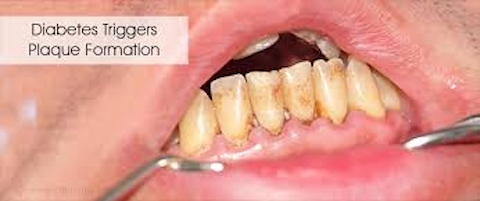
Oral health and diabetes
Lorem ipsum dolor sit, amet consectetur adipisicing elit. Voluptatem, dignissimos.
09 Jan 2024
What is Dental Prophylaxis and How Often Should it be Done?
Lorem ipsum dolor sit, amet consectetur adipisicing elit. Voluptatem, dignissimos.
09 Jan 2024
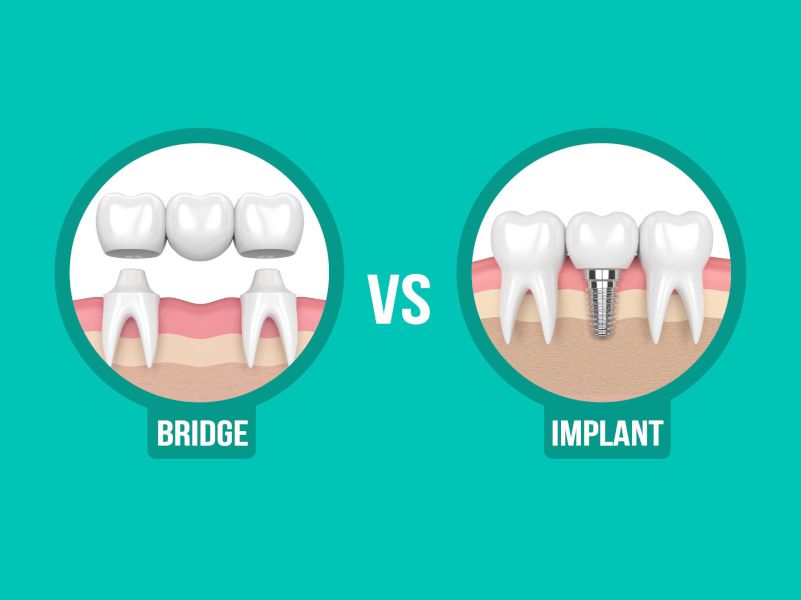
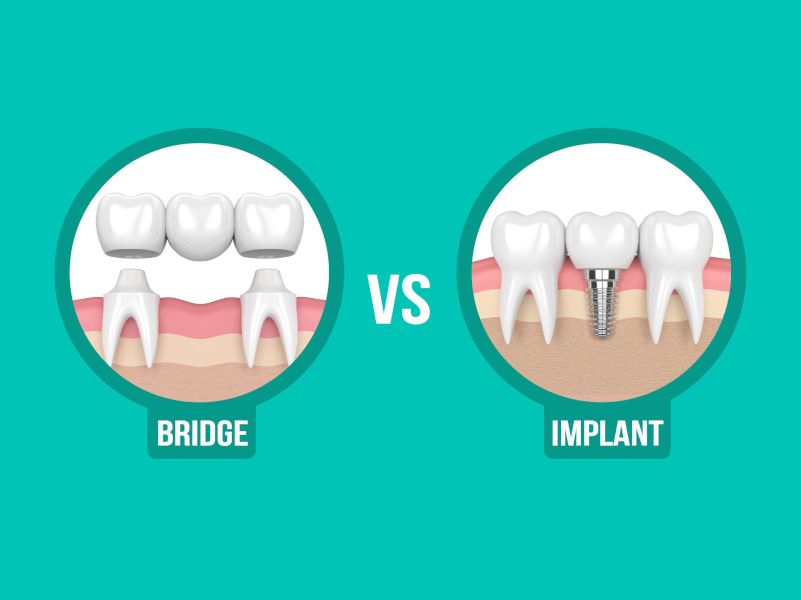
Dental Implants vs Crown and Bridge: Which is better?
Lorem ipsum dolor sit, amet consectetur adipisicing elit. Voluptatem, dignissimos.
09 Jan 2024
Have a look around this bold and colourful 1930s semi in London
No ads available for your location...
HOW TO BRUSH YOUR TEETH CORRECTLY?
Brushing your teeth is crucial to maintain good dental health. Brushing removes the bacteria that promote tooth decay and some plaque that can cause gum disease. You brush your teeth on a daily basis. But do you think you know the proper technique to do it? Here’s a simple brushing technique to keep your pearly whites healthy:
The Modified Bass Brushing Technique is the most widely accepted and most effective method of brushing for adults. Following steps will help you practice the modified bass technique with much ease:

In case of deep stains and calculus visit your nearest dentist for professional cleaning.We at dental dental lifeline use high ultrasonic scaler for the quality same.
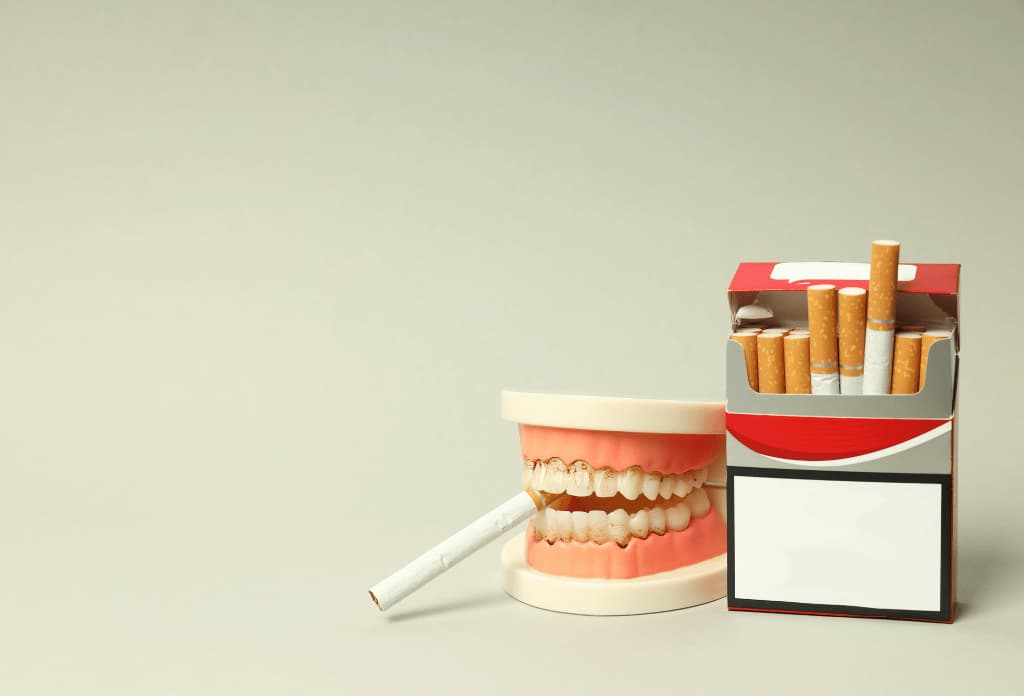
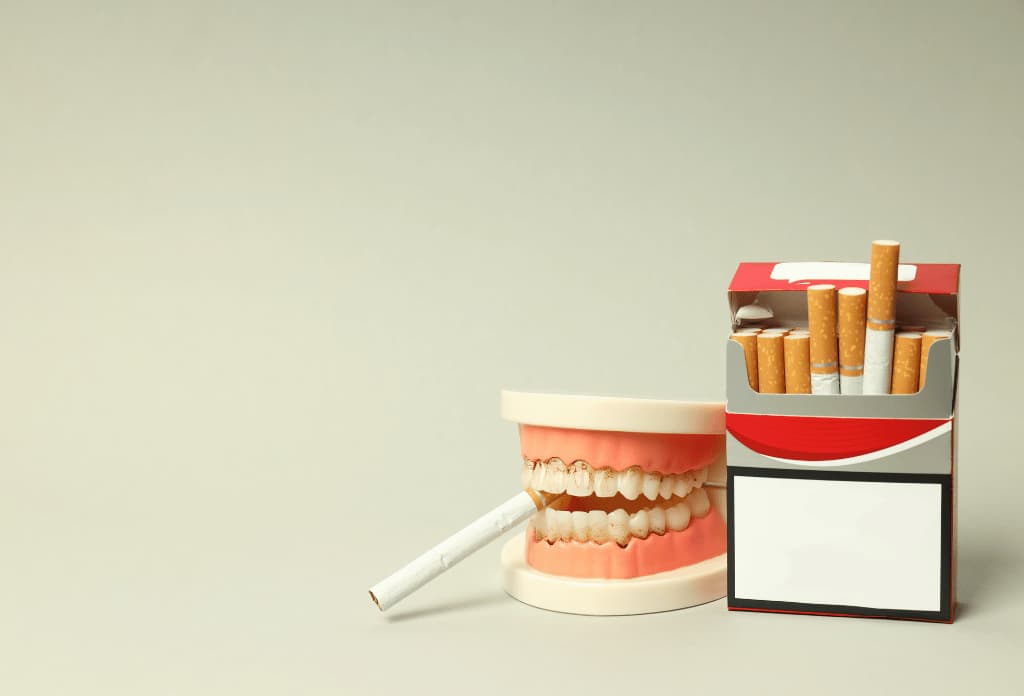
How Smoking Affects Your Oral Health: Risks and Quitting Strategies
Lorem ipsum dolor sit, amet consectetur adipisicing elit. Voluptatem, dignissimos.
09 Jan 2024
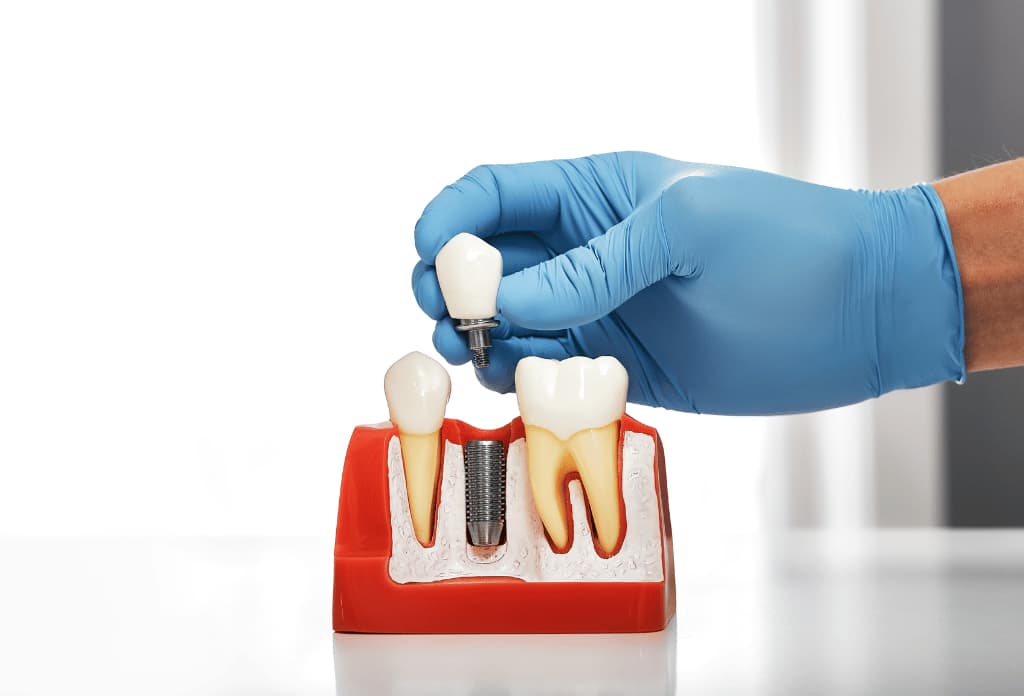
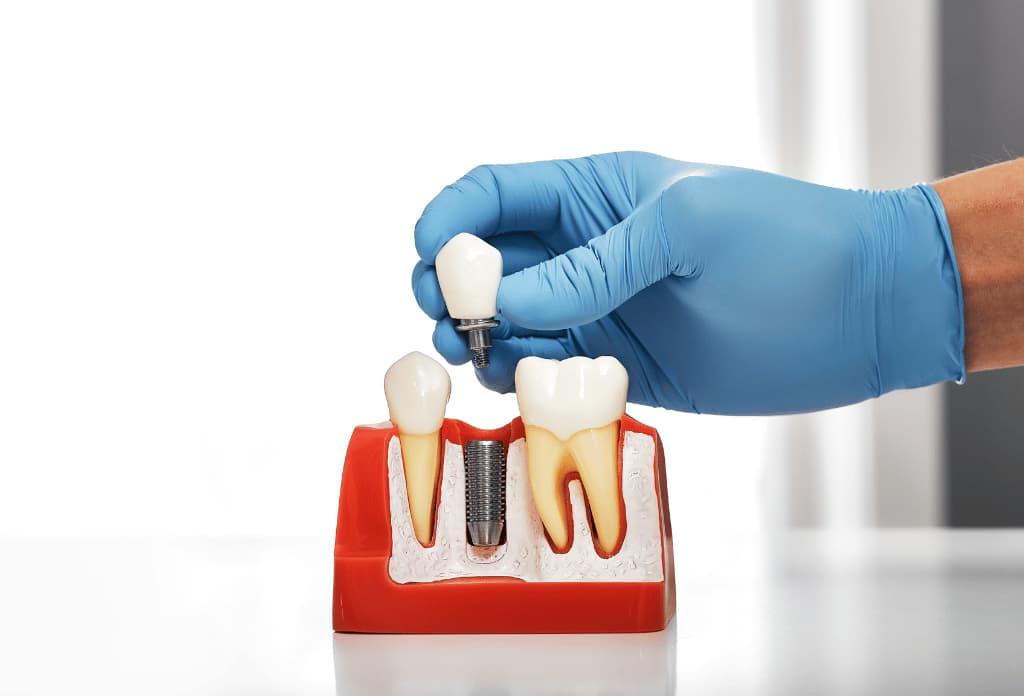
Exploring Different Types of Dental Implants: Which One Is Right for You?
Lorem ipsum dolor sit, amet consectetur adipisicing elit. Voluptatem, dignissimos.
09 Jan 2024
HOW TO BRUSH YOUR TEETH CORRECTLY?
Lorem ipsum dolor sit, amet consectetur adipisicing elit. Voluptatem, dignissimos.
09 Jan 2024
How Smoking Affects Your Oral Health: Risks and Quitting Strategies
Lorem ipsum dolor sit, amet consectetur adipisicing elit. Voluptatem, dignissimos.
09 Jan 2024
Exploring Different Types of Dental Implants: Which One Is Right for You?
Lorem ipsum dolor sit, amet consectetur adipisicing elit. Voluptatem, dignissimos.
09 Jan 2024
Have a look around this bold and colourful 1930s semi in London
No ads available for your location...
Advancements in ROOT CANAL medicine; Some medicines heal doubts as well as diseases!
Root canal infections also called periapical (PA) lesions are characterized histologically by fibrous and granulation tissue infiltrated to varying degrees by acute and chronic inflammatory cell. The main purpose of this clinical study was to assess the treatment of periapical lesion and infection and results up to 6 months after endodontic treatment of teeth with periapical pathology using a new MTA sealer.

A 10 year old girl reported to the clinic with the complaint of swelling and pain of anterior right upper region. The IOPA x-ray evaluation revealed periaical lesion. Treatment started with root canal treatment of the affected tooth. After access preparation using endo z bur, repeated canal irrigation was done using sodium hypochlorite 3%. After completing biomechanical preparation with protaper gold repeated dressings were done using metapex and tri antibiotic paste. After waiting for few months the root canal filling was done using latest filling material MTA, MTA, present in the composition of MTA Fillapex, is more stable than calcium hydroxide, providing constant release of calcium ions for the tissues and maintaining a pH which elicits antibacterial effects. The tissue recovery and the lack of inflammatory response are optimized by the use of MTA. Thus, MTA Fillapex is considered a great material for root canal treatment, considering its bioactive potential.
THIS BIOACTIVE MATERIAL HELPED US ACHIEVE GREAT RESULTS IN TERMS OF HEALING AND FUNCTIONALITY.

Dr. Suruchi Chaudhary
MDS, Endodontist & Cosmetic Dentist
Have a look around this bold and colourful 1930s semi in London
No ads available for your location...